


A lot of people have the question if they should pursue CFA or MBA? Which certification you should take depends solely on your professional goals. CFA and MBA both the degrees are expensive, require time and a lot of effort on student’s part. It is very important to note the distinction between these two certifications. MBA is masters degree in business administration, where students are introduced to various areas of business like accounting, marketing, human resources, operations management. There are also Business schools which offer Phd and master courses specializing in specific domains like consulting, finance, marketing etc. The career path after MBA, depends on a lot of factors, including your area of interest, previous work experience and business acumen of specific domain. A lot of employers recruit MBA’s for team manager’s profile where the employee is expected to manage and take quick decisions in their domains. The basic type of MBA courses are typically full time (2 years), part time for evening and weekend batches . There are also Executive MBA’s which are specifically meant for more work experience people. Nowadays, professionals engineers, CA’s, Doctors, politicians go for MBA. Most of the business schools also prefer candidates with at least 4 -5 years of work experience. Almost all of the top B schools recognize GMAT exam ‘s score to test student’s aptitude. However, just giving the exam does not guarantee you an admission, there are a lot of other criterias also that B schools look for, like your past academic record, work experience, other academic qualifications and certifications etc. B Schools in India take CAT, SAT, XAT exams as there enterance examination.
Difference between career in finance and in accounting
Accounting is essentially subset of finance, in terms of discipline. However if we see the career path and the kind of role played in both the disciplines, it differs considerably.
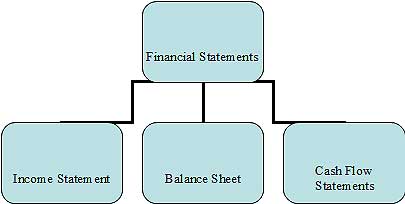
Accounting involves data measuring, filling and mainteanance of financial statements i.e income statement, balance sheet, cash flow statement, hence financial position of a firm can be assessed. People who specialize these activities are designated as accountants.
An accountant is expected to keep track of company’s transactions, tax paid records etc accurately. The analysis and communication of financial information of various companies, is also categorized as the role performed by accountants. Many accountants also do budget analysis, financial planning, IT consulting and some legal services like auditing. The auditer typically audits the financial reports of the firms, and give independent opinion on whether the information given in the statements is accurate and free from material errors.
Finance domain for Engineers
Everyday we come across questions on when, whether and who should give CFA, FRM exam? Does qualifying these exams ensures a job?
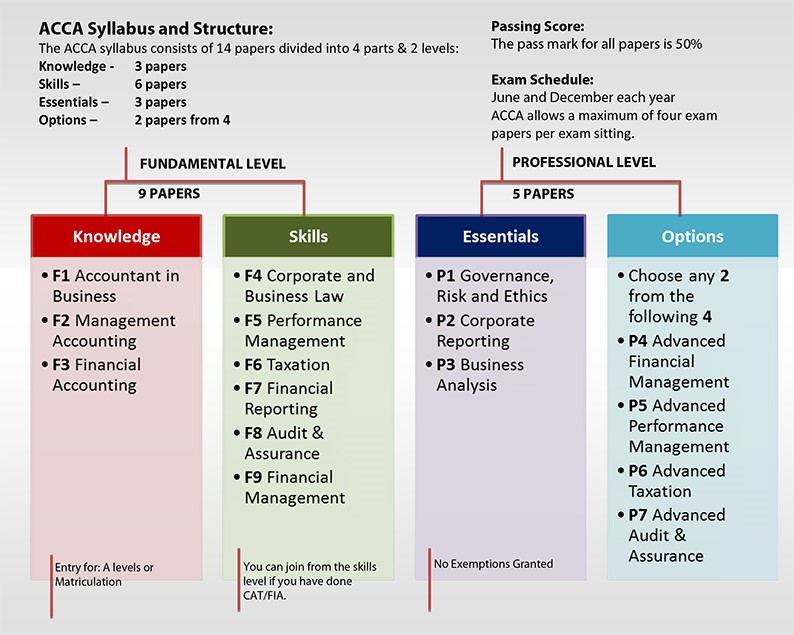
CFA, FRM exams are prestigious worldwide recognized degree exams. They give professional designation to financial analysts who complete a series of exams.
It’s not mandatory that you have to be a professional in finance domain to appear for this exam. These days, engineers, doctors and professionals from other backgrounds who want pursue a career in finance domain opt for these exams.
Qualifying these exams don’t ensure a job but certainly can give you an edge over others. It would be an add on qualification to your career and resume. Companies shortlist the prospective employee’s CV through searching their database on important terms like “CFA”, “FRM“, if these terms appear in your resume, your resume become’s a potential candidate’s CV.
Financial Modelling: An imperative sound for decision making
What is Financial Modelling?
Financial modeling is the task of building an abstract representation of a financial decision making situation. This is a mathematical model, such as a computer simulation, designed to represent the performance of a financial asset or a portfolio, of a business, a project, or any other form of financial investment.
Theoretically speaking, a financial model is a set of assumptions about future business conditions that drive projections of a company’s revenue, earnings, cash flows and balance sheet accounts.
However, financial modeling is a general term that means different things to different users. In the US and particularly in business schools it means the development of a mathematical model, often using complex algorithms, and the associated computer implementation to simulate scenarios of financial events, such as asset prices, market movements, portfolio returns and the like. Or it might mean the development of optimization models for managing and controlling the risk of a financial investment. In Europe and in the accounting profession financial modelling is defined as cash flow forecasting, involving the preparation of large, detailed spreadsheets for management decision making purposes.
Black Swans
What Does Black Swan Mean?
A Black Swan is an event or occurrence that varies from what is generally expected of a situation and which is be extremely difficult to predict.
Black Swan Events were described by Nassim Nicholas Taleb in his 2007 book, The Black Swan. He is a finance professor and former Wall Street trader.

He used “The Black Swan Theory” to explain the existence and occurrence of high-impact, hard-to-predict, and rare events that are beyond the realm of normal expectations.

Characteristics of a Black Swan Event
1. The event is a surprise (to the observer).

2. The event has a major impact.
3. After the fact, the event is rationalized by hindsight, as if it had been expected.
Average Salary of Finance Professionals – Part II
(B) Risk Managers – PRM | FRM Holders:
Here we will continue our analysis regarding the mean compensation for PRM | FRM holders. (See previous blog for salary analysis of CFA Charter Holders)
As we pointed out in the previous post, the salary figures can vary dramatically based compensable factors such as employer size, industry, employee credentials, years of experience and others.
As per salary.com data, the average salary of Risk Manages in U.S is about $94,606 per annum. The pay range, however is quite wide and varies from $80,000 to $111,000:
Both PRMIA and GARP also provide a platform for their respective charter holders to help them avail some of the best job oportunities currently open in the market.
Financial Modeling for takeover (SAST) followup
Financial Modeling for takeover (SAST) followup Last weekend we had a brilliant session on creating a model for takeover pricing. Around 100 people from across the world attended the session and discussed various aspects of financial modeling. There were some confusion regarding the timing of the webinar, but as indicated in the blog announcement regarding [...]